Part I – Rome and the Call of the Sea
Forget the frantic pace of peak season. October in Italy is the "sweet spot"—perfect weather, shorter lines, and a landscape that’s finally catching its breath. This guide isn’t for the tourist who wants to follow the umbrella. It’s for the traveler who wants to eat where the locals eat, find the secret doors in medieval walls, and master the art of the Italian dolce far niente (the sweetness of doing nothing). This 17-day journey pairs the history of Rome with the culinary soul of Bologna and the sleek comfort of the Celebrity Constellation Cruise. From navigating the Tyrrhenian coast to uncovering the best-kept secrets of the Adriatic, here is your blueprint for an effortless, high-end Italian experience.
21 ESCAPESITALY
Part I: The Roman Prelude (October 8 – 12)
Stay in Monti (vintage cool, cobblestones, near the Colosseum), Testaccio (gritty, authentic, food heaven), or the Piazza Navona area for total Baroque immersion.
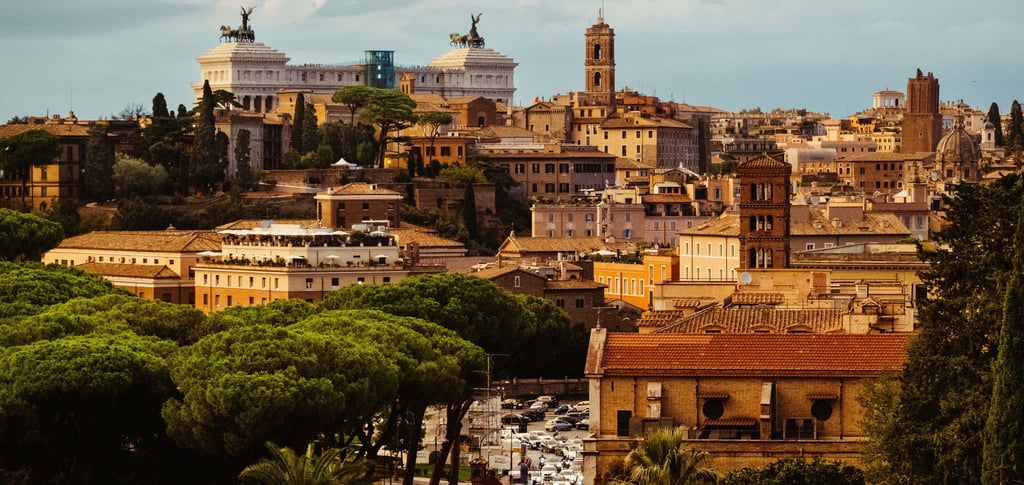
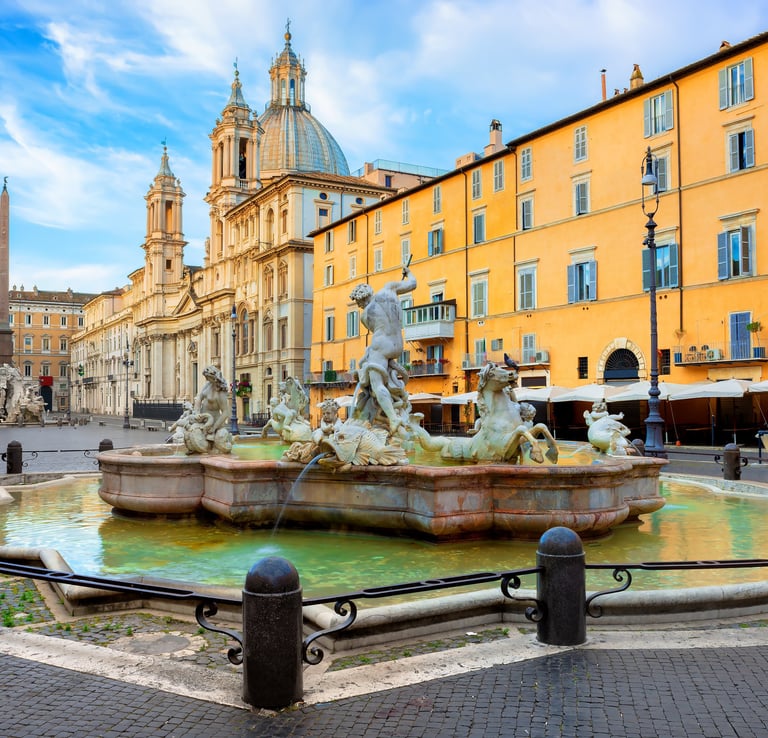
For your first night in the Eternal City, focus on the "Great Beauty" of the historic center. This route combines panoramic views with a classic Roman stroll. Start your evening at one of these top-tier rooftop bars for an aperitivo with a view: Terrazza Borromini: Located inside a 17th-century palazzo right on Piazza Navona, it offers an eye-level view of Bernini’s fountains and the dome of Sant'Agnese in Agone. Eitch Borromini (The Gallery): This is widely considered the best sunset spot in the city, providing a 360-degree panorama of the Pantheon, St. Peter’s, and the terracotta rooftops of Rome.
Once the sun dips, descend into the streets for a stroll along Piazza Navona: Begin at the center of the square to see the Fountain of the Four Rivers illuminated at night. The Pantheon: A five-minute walk brings you to the Piazza della Rotonda. Seeing the Pantheon's massive columns under the moonlight is a far more intimate experience than the daytime rush. End your walk at the Trevi Fountain. Arriving later in the evening allows you to actually reach the water's edge to toss your coin, ensuring your return to Rome. For a truly iconic Roman meal, try Armando al Pantheon. It is a family-run institution that has perfected the "holy trinity" of Roman pasta—Carbonara, Cacio e Pepe, and Gricia—in a sophisticated yet traditional setting. Note: Reservations are essential weeks in advance.
While the landmarks are essential, the true soul of Rome lives in the transit between them. As you move from Navona to the Trevi, take time to stroll the narrow, winding side streets like Via dei Coronari or Via del Governo Vecchio.
Don’t feel tethered to a strict itinerary, if a hidden courtyard or a candlelit wine bar catches your eye, lean into it. Don’t hesitate to pull up a chair for a spontaneous aperitivo or dinner in any of the many tucked-away places that look inviting. Often, the most "unforgettable" meals in Rome aren't the ones you booked weeks ago, but the ones you stumbled upon by following the sound of clinking glasses and local chatter.
Day 1: The Empire
To maximize your time navigating the dense history of the Imperial core, a multi-day pass for a hop-on hop-off bus is highly recommended. It serves as a strategic link between the major landmarks, allowing you to bypass the fatigue of Rome’s cobblestones while transitioning between the ancient sites and your evening destinations.
While the Colosseum is the primary draw, the most rewarding approach is to treat the entire Valley of the Colosseum as a single, connected experience.
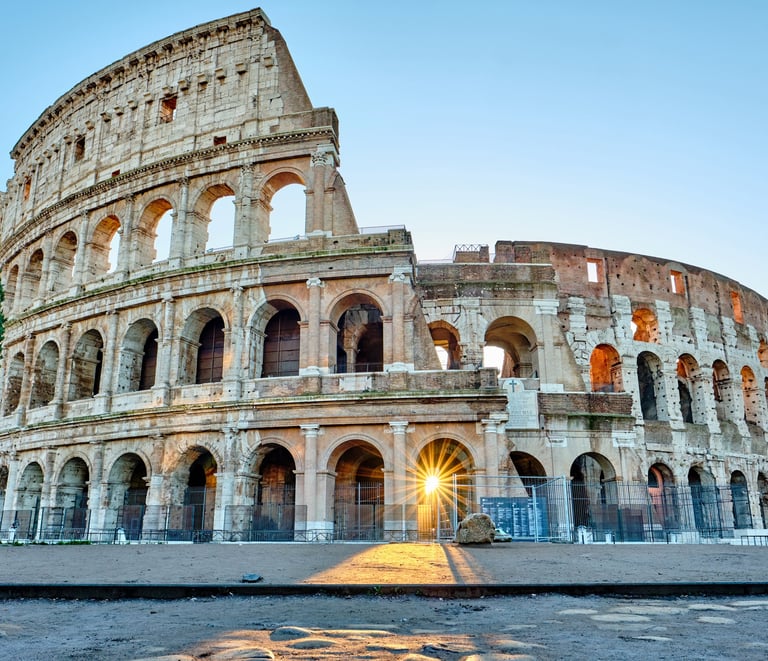
The Colosseum the world’s largest ancient amphitheater and the definitive symbol of Roman engineering. In October, the "Ottobrate Romane" light hits the travertine stone beautifully, making it an ideal time for photography. If possible, book access to the Arena Floor or the Underground (Hypogeum) to see the tunnels and lifts where gladiators and animals once waited.
Always pair your visit with the Roman Forum and Palatine Hill, as they are typically included on the same ticket and located immediately next door.
Directly adjacent to the amphitheater, you can explore the sprawling grounds where the daily life of ancient Rome unfolded.
Roman Forum: Walk through the excavated heart of the city, passing the ruins of temples, government buildings, and vibrant public squares that date back over 2,000 years.
Palatine Hill: Ascend the hill for panoramic views of the Forum. This was the most prestigious neighborhood in ancient Rome, once home to the sprawling palaces of emperors.
Arch of Constantine: Located right next to the Colosseum, this 21-meter-high triumphal arch is decorated with intricate battle scenes and remains one of the most significant monuments of the late Imperial era.
The Underground Empire Instead of the standard surface tour, seek out the Domus Aurea (Nero’s Golden House). This was the Emperor Nero’s massive party palace, buried for centuries after his death to erase his legacy. Book the specific tour that features a Virtual Reality experience. Visitors report it is mind-blowing to watch the dark, cavernous ruins transform into a gold-leafed palace overlooking a massive lake through the headset. Later, head to the Basilica of San Clemente. This "lasagna" of a church allows you to literally descend through time, from a 12th-century basilica down to a 4th-century church, and finally into a 1st-century pagan temple.
For a break from the history, head into the nearby Monti neighborhood for lunch.
Day 2: The Spiritual & Artistic Epicenter
To maximize your time at the Vatican, use your 2-day pass for Big Bus Tours to reach the western bank of the Tiber efficiently. October offers a more manageable climate for the extensive walking required to navigate the world's smallest sovereign state.
Start your morning early at the Vatican Museums. This vast collection of art and antiquities spans several miles of galleries, culminating in the world-renowned Sistine Chapel.
Book a "First Entry" or "After Hours" tour to experience the frescoes without the peak-day surge of visitors. Michelangelo’s Ceiling: Take time to observe the intricate detail of The Last Judgment.
After the museums, enter St. Peter's Basilica, the largest church in the world and a masterpiece of Renaissance architecture.
· The Dome Climb: For those comfortable with narrow stairs, climbing to the top of the Cupola di San Pietro provides a peerless view of St. Peter's Square and the Roman skyline.
· Artistic Highlights: Inside, look for Michelangelo’s Pietà and Bernini’s massive bronze Baldacchino standing over the high altar.
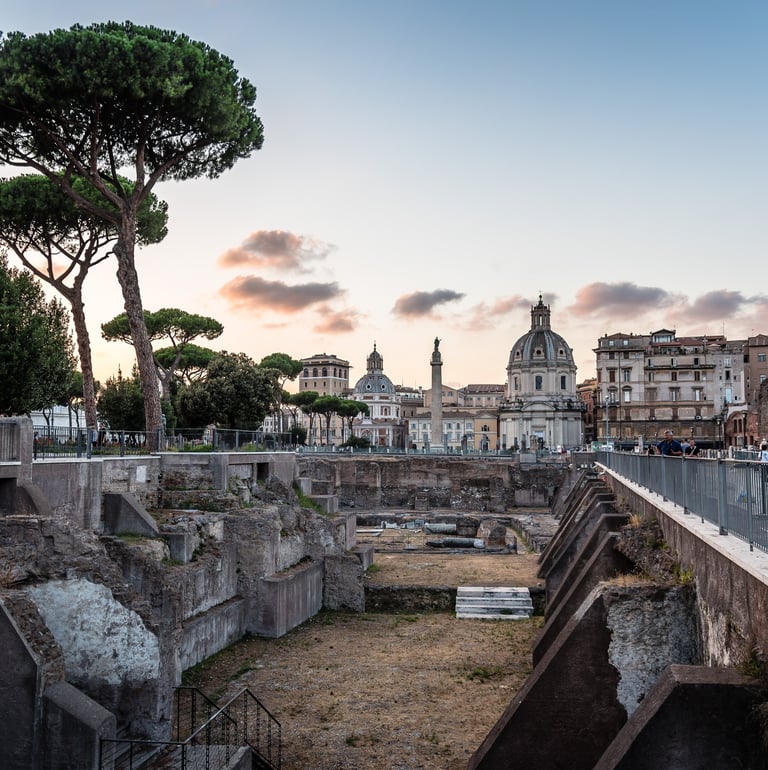
Afternoon: The Jewish Ghetto (Ghetto Ebraico)
Established in 1555, this is one of the oldest Jewish quarters in the world and offers a distinct cultural and architectural atmosphere within the city visiting the Great Synagogue of Rome. The synagogue’s square aluminum dome is a unique landmark on the Roman skyline, and the building serves as the religious and cultural heart of the district.
The Jewish Museum where you can learn about the 2,000-year history of the Jewish community in Rome through a collection of textiles, silver, and manuscripts.
Portico of Octavia, these massive 2nd-century BC ruins stand as a gateway to the district and provide a dramatic backdrop for a stroll.
Just behind it is the Teatro di Marcello, a theater that predates the Colosseum and remains remarkably well-preserved.
Evening: The Vibrant Spirit of Trastevere
Once across the river, the atmosphere shifts. Trastevere offers an atmosphere that is both historical and high-energy. The neighborhood is a maze of ivy-covered buildings and narrow alleys that open into vibrant squares, making it the perfect setting for an "explore and discover" mindset.
The Basilica of Santa Maria is the neighborhood’s centerpiece, known for its dazzling 12th-century mosaics that glitter under the evening lights. The piazza outside is a major local meeting point, often featuring live street musicians and performers. Trastevere is meant for wandering, stroll the narrow streets like Via della Scala with plenty of options to enjoy a lovely dinner: - Located in a former mechanic's shop near the river, this is one of Rome’s most famous spots for a street-side aperitivo. It is the ideal place to start your evening like a local. Da Enzo al 29 - This tiny, family-run trattoria in a quieter corner of Trastevere is often cited as the place for an "unforgettable" dinner. It embodies the authentic, no-frills culinary soul of the city. Visitors frequently recommend the Carciofi alla Giudia (Jewish-style fried artichokes) and their Burrata with sun-dried tomatoes. Taverna Trilussa - For a dinner that feels a bit more upscale but remains deeply rooted in Roman tradition, this historic tavern is a standout choice near the Piazza Trilussa. Nannarella - Located near the heart of the district, this lively spot is great if you want to be in the middle of the Trastevere "buzz" while enjoying classic Roman hospitality.
As you move between these spots, allow yourself to wander through narrow side streets like Via della Lungaretta or Via del Moro. These paths are lined with artisan workshops, vintage boutiques, and hidden wine bars. If you see a small, candlelit doorway or hear the sound of local music coming from a courtyard, don’t hesitate to pull up a chair for a spontaneous drink or bite. The best parts of Trastevere are often the ones you find when you stop looking at the map.
Day 3: To continue your Roman journey, Day 3 focuses on the elegant "Tridente" area, where high fashion, grand parks, and 18th-century intellectual life converge.
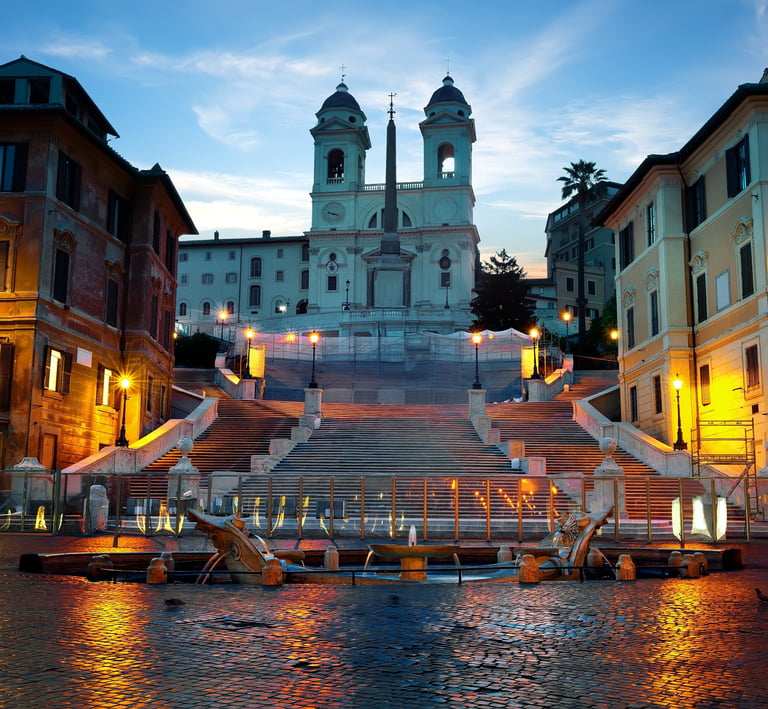
Start your day at the base of the most famous staircase in the world (Spanish Steps) before stepping back into the Enlightenment era. This 18th-century butterfly-shaped staircase is at its most beautiful in the morning light. It was designed to connect the Bourbon Spanish Embassy at the bottom to the Trinità dei Monti church at the top.
· Bernini’s Fountain: At the foot of the steps, look for the Fontana della Barcaccia, a half-sunken ship fountain inspired by a flood that deposited a boat in the square in 1598.
· The Keats-Shelley House: Directly next to the steps is the final home of the poet John Keats, now a museum dedicated to the English Romantics.
Antico Caffè Greco, located on the prestigious Via dei Condotti, is officially the oldest café in Rome (founded in 1760). It has served as a legendary meeting place for figures like Casanova, Keats, Byron, and Wagner. While you can stand at the bar for a quick espresso, sitting in one of the plush red-velvet rooms offers a far more immersive "Old World" experience. After the bustle of the shopping district, move north toward the city's "green lung" for some of the best views in the capital.
Piazza del Popolo: This grand elliptical square was historically the main entrance to Rome for travelers arriving from the north.
· The Egyptian Obelisk: At the center stands an authentic 13th-century BC obelisk brought to Rome by Augustus.
· The Caravaggio Connection: Visit the Basilica of Santa Maria del Popolo in the corner to see two of Caravaggio’s most powerful masterpieces for free.
Villa Borghese. Escape the city noise in these sprawling, formal gardens. It is a vast urban park that houses several world-class museums and a picturesque lake.
· Terrazza del Pincio: Walk to the edge of the gardens overlooking Piazza del Popolo. Visitors report this is one of the most romantic sunset spots in the city.
· Leisurely Discovery: You can rent bicycles or even a small boat on the lake (Giardino del Lago) to explore the temples and statues scattered throughout the park.
The streets surrounding the Spanish Steps, like Via Margutta, are famous for their art galleries.
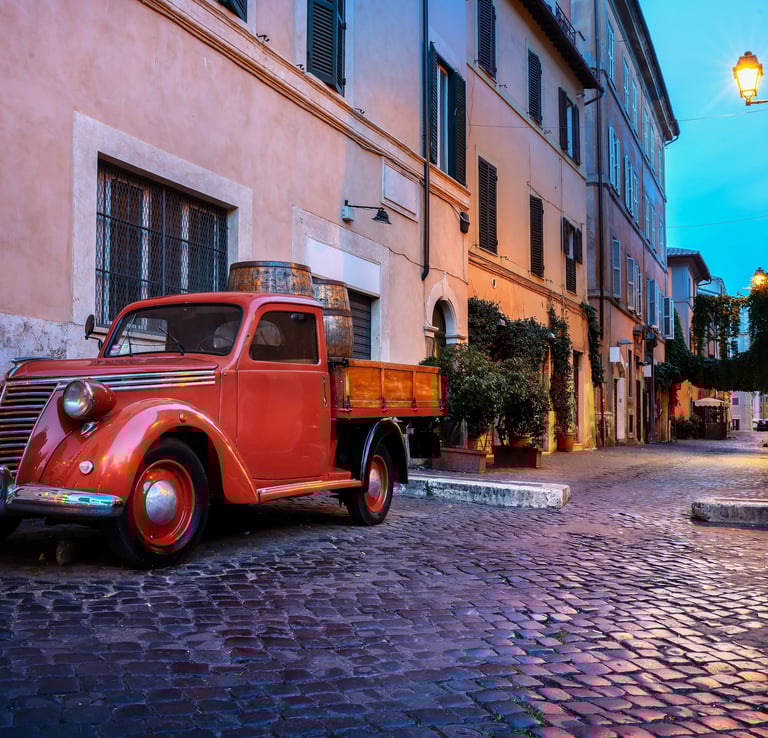
For your last evening, Campo de' Fiori offers a vibrant transition from its famous daytime market to a lively social hub. This historic square, presided over by the somber statue of philosopher Giordano Bruno, is surrounded by a maze of medieval streets that represent the heart of old Rome.
La Carbonara is a historic institution directly on the piazza that provides an excellent vantage point for people-watching during the evening transition.
Roscioli Salumeria con Cucina is located just a few steps from the main square and is widely considered a "pilgrimage site" for food lovers in Rome. It is a deli, wine bar, and restaurant hybrid. Emma offers a more contemporary, airy setting nearby and is perfect if you are looking for a high-end Roman pizza experience.
Piazza Farnese is located immediately adjacent to Campo de' Fiori but offers a starkly different, more aristocratic atmosphere. The square is dominated by the massive Palazzo Farnese (now the French Embassy) and two giant granite basins repurposed from the Baths of Caracalla into fountains.
As you wander the narrow streets like Via di Monserrato or Via del Pellegrino, you will find some of the most beautiful ivy-clad facades in Rome.
As Rome slowly recedes in the rearview mirror, the journey shifts from ancient streets to open horizons. The road leads west to Civitavecchia, Rome’s historic port, where the city’s restless grandeur gives way to salt air and the promise of the sea. What follows is not simply a continuation of the trip, but its transformation: a cruise that threads together dramatic coastlines, medieval cities, Adriatic secrets, and luminous art. Do not stop here—the second part of this journey carries the story onward, port by port, into the very heart of the Mediterranean and Adriatic soul.
https://cruniatravel.com/part-ii-the-cruise-coasts-cities-and-the-adriatic-soul